4/24/2024
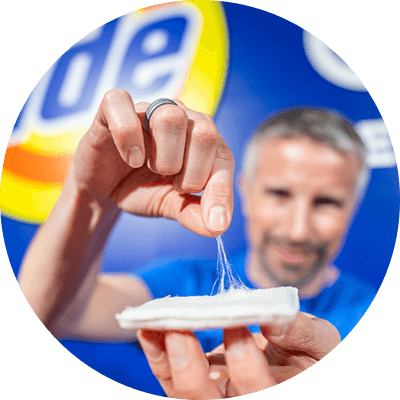
Introducing Tide evo: A Leap Forward in Laundry
A decade of innovation culminates in revolutionary new laundry tile debuted at SXSW 2024.
Read more
4/23/2024
Made Better, Made to Save
New P&G survey reveals how everyday tasks add a physical and mental load to people’s already hectic days.
4/20/2024
P&G Announces Results for the Third Quarter of Fiscal Year 2024
P&G reported results for the third quarter of Fiscal Year 2024.
4/11/2024
P&G Myth-Busters Series: Body Odor happens but you don’t have to smell
Meet one of the Innovators behind whole body deodorant: Dr. Maiysha Jones
Our brands
Align
Probiotic Supplements
Always
Feminine Care Pads
Always Discreet
Incontinence Pads
Ambi Pur
Odor Eliminators
Ariel
Laundry Products
Aussie
Hair Care
Bounce
Dryer Sheets & Fabric Care
Bounty
Paper Towels
Braun
Personal Grooming
Cascade
Dishwasher Detergent
Charlie Banana
Baby Diapers
Charmin
Toilet Paper
Cheer
Clearblue
Pregnancy & Ovulation Tests
Crest
Dental Care
Dawn
Dishwashing Liquid
Downy
Fabric Protectors & Softeners
Dreft
Baby Detergent & Laundry Products
Era
Febreze
Fixodent
Denture Adhesives
Gain
Laundry & Home Products
Gillette
Razors & Skin Care
Head & Shoulders
Herbal Essences
Ivory
Mildly Scented Soap
joy+glee
Razors, Waxes, & Creams
Just
Feminine Care Pads and Tampons
Luvs
Meta
Daily Fiber Supplements
Microban 24
Home Cleaning Products
Mr. Clean
All-Purpose Home Cleaners
Native
Face & Skin Care
Ninjamas
Nighttime Underwear
Olay
Old Spice
Hair & Skin Care
Oral-B
Toothbrushes & Dental Floss
Pampers
Pantene
Pepto-Bismol
Upset Stomach Relief
Prilosec OTC
Heartburn Relief
Puffs
Facial Tissues
Rindex 3en1
Safeguard
Germ-Protecting Soap
Salvo
Scope
Mouthwash
Secret
Deodorant & Body Spray
SK-II
Anti-Aging Face Care
Swiffer
Multi-Surface Dusters & Cleaners
Tampax
Feminine Care Tampons
The Art of Shaving
This is L
Period & Bladder Care
Tide
Venus
Razors & Shaving Gels
Vicks
Cough, Cold & Flu Relief
Zevo
Insect Repellent
ZzzQuil
Sleep Aid
Careers at P&G
Investor Relations